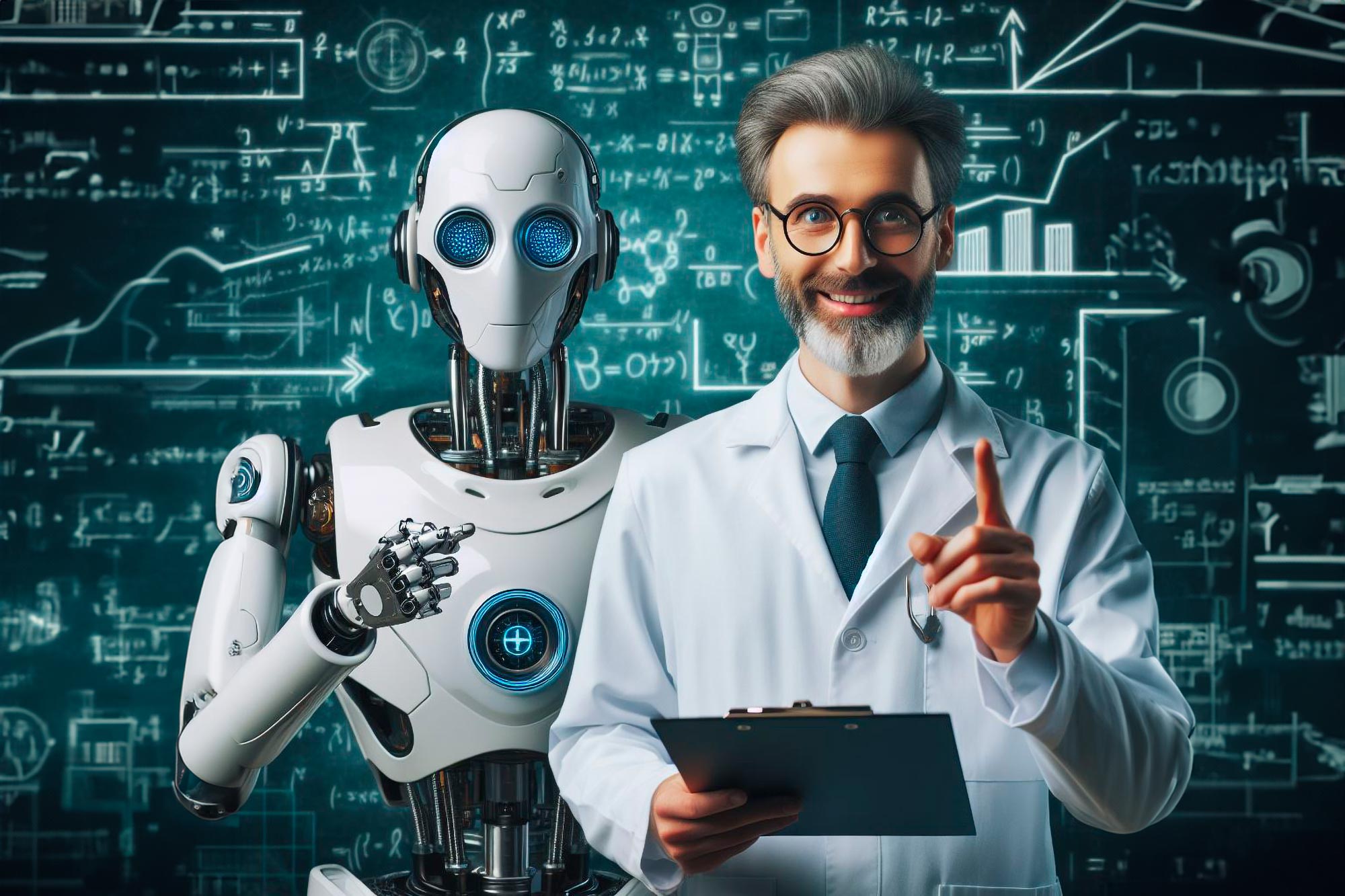
The year 2026 marks a critical inflection point in human-robot relations. Humanoid robots are transitioning from research prototypes to deployed commercial systems in manufacturing, logistics, healthcare, and homes. Tesla’s Optimus, Apptronik’s Apollo, Boston Dynamics’ DIGIT, and Engineered Arts’ AMECA represent the vanguard of a technological wave that will reshape human interaction with non-human agents. Yet beneath the engineering achievements lies a profound challenge: as robots become more human-like in appearance and behavior, they trigger complex psychological, ethical, legal, and social consequences that current institutional frameworks are unprepared to manage. The question of where to draw boundaries between robots and humans is not academic—it has consequences for legal liability, worker livelihoods, vulnerable populations’ safety, and the preservation of human dignity.
The Anthropomorphization Problem: When Appearance Creates Misleading Expectations
The most fundamental boundary issue stems from a basic psychological fact: humans treat entities that appear human differently from those that appear mechanical. When people view humanoid robots, their brains apply the same configural processing used to perceive human faces and bodies. This cognitive response is automatic and difficult to suppress, even when people consciously know they are interacting with machines.
This anthropomorphization creates what researchers call “deceptive anthropomorphism”—a gap between what the robot’s appearance suggests it can do and what it actually accomplishes. A robot resembling a human caregiver creates an expectation that it will demonstrate human-like social understanding, emotional responsiveness, and personalized care. When the robot fails to meet these expectations—because it lacks genuine understanding, emotional capacity, or the ability to adapt to complex individual needs—users experience disappointment, frustration, and a profound sense of betrayal.
Research specifically examining robot deception behaviors found that when users discover a robot is simulating emotions or capabilities it does not possess, they feel manipulated and their trust in the relationship deteriorates irreparably. More troubling, some researchers argue that even the simulation of emotions itself constitutes a form of deception—since the robot has no internal emotional state corresponding to its expressed feelings, it is deliberately creating a false impression. This becomes particularly concerning in elderly care, where vulnerable populations may be less equipped to distinguish between simulated and genuine companionship.
The Uncanny Valley: When “Almost Human” Becomes Disturbing
A second boundary problem emerges from Masahiro Mori’s uncanny valley hypothesis—the finding that robots which look almost but not quite human trigger feelings of unease, eerieness, or revulsion rather than comfort. Recent research has revealed not one but two uncanny valleys: one associated with highly human-like robots and another with moderately human-like robots, each triggered by different mismatches between surface appearance, facial characteristics, and body dimensions.
The psychological mechanism underlying the uncanny valley involves expectation violation. When a robot’s appearance suggests it should move, express emotion, and respond with human-like fluidity, observers unconsciously expect human-level coherence and responsiveness. Subtle imperfections—a barely-perceptible lag in response, a micro-expression that doesn’t quite match facial geometry, movements that are slightly too rigid—trigger cognitive processing errors. The brain struggles to categorize the stimulus as either human or machine, creating neural conflict that manifests as discomfort.
This phenomenon has practical design implications. Research using neural imaging shows that specific brain regions (particularly the anterior insula) activate when viewing robots in the uncanny valley. The effect compromises trust: people who view uncanny-valley robots are less likely to trust them, less willing to invest in interactions with them, and more likely to avoid them. Paradoxically, robots that are clearly non-human or perfectly indistinguishable from humans both generate more positive responses than the “almost human” middle ground.
The Moral Dilemma Paradox: Saving Robots Instead of Humans
Perhaps the most alarming boundary issue concerns how anthropomorphism affects people’s willingness to prioritize human life. Research using moral dilemma scenarios (similar to the philosophical “trolley problem”) revealed that when people attribute affective capacities to robots—the ability to feel pain, experience emotions, or suffer—they become significantly less willing to sacrifice the robot to save human lives.
This poses a serious legal problem. In virtually all contemporary legal systems, human life occupies the top of a protected hierarchy. For example, Polish criminal law and similar systems in other nations criminalize “failure to render aid”—a crime where someone fails to help a person in mortal danger when assistance is possible without serious self-risk. The legal logic is unambiguous: one must sacrifice non-human entities (property, animals, robots) to save human beings. Hesitating to sacrifice a robot to save a human being could constitute a criminal failure to provide necessary aid.
The implications extend beyond abstract ethics. In real-world scenarios—autonomous vehicle collisions, industrial emergencies, medical triage situations—machines and humans may need to make split-second decisions about whose life takes priority. If machines have been designed to appear so human-like that observers struggle to prioritize human safety, the legal and ethical coherence of human-centered societies breaks down.
To address this, one researcher proposed two specific design recommendations: (1) humanoid robots should be easily distinguishable from humans at a glance, ideally through visible markings like a light or protrusion on the head, enabling quick identification in emergencies; and (2) robots should communicate their non-human status to other machines and systems, ensuring that autonomous decision-makers (like self-driving cars) consistently prioritize human lives. These recommendations apply primarily to public and safety-critical contexts rather than private companion robots, but they illustrate the boundary-drawing principle: distinctiveness must be preserved to prevent the erosion of human legal supremacy.
The Emotional Attachment and Dependency Risk: The Vulnerable Population Problem
The emotional risks of anthropomorphized robots become most acute in elderly and long-term care settings. Social robots designed for elder care deliberately employ features that trigger attachment: facial expressions, emotional vocalization, natural gestures, responsive dialogue, and consistent behavioral patterns that simulate relationship and understanding. These design choices are intentional—attachment increases engagement and compliance with health regimens.
Yet longitudinal research on the consequences of robotic companionship reveals a troubling pattern. Older adults—particularly those experiencing loneliness, cognitive decline, or social isolation—form genuine emotional attachments to robots despite knowing they are machines. When these robots malfunction, are removed, or a care course concludes, the absence causes measurable distress. Some participants in research studies experienced emotional deterioration equivalent to losing a human companion.
More fundamentally, research identifies what researchers term “illusory dependence”: users develop a false sense of genuine social relationship that becomes so entrenched it undermines their ability to form or maintain real human relationships. When the robot-mediated illusion is disrupted by discovering the robot is controlled by algorithms or observing its mechanical limitations, the rebound emotional response includes doubt about whether genuine human relationships are trustworthy either. The robot has, in effect, damaged the user’s capacity for authentic human connection.
A 2025 systematic review of ethical considerations in social robots for elderly care identified four core problems:
Inequitable Access: Social robots are expensive, limiting their availability to wealthier institutions and individuals. This creates a two-tiered system where better-resourced elderly receive robotic companionship while others do not, exacerbating existing care inequities.
Consent and Autonomy: Patients with dementia or cognitive impairment cannot provide informed consent to robotic interaction. Families or institutions make decisions on their behalf, potentially overriding residents’ preferences or dignity.
Substitution of Human Care: Using robots to address staffing shortages means elderly people receive less actual human contact—less physical touch, less individualized emotional responsiveness, less genuine understanding of their unique needs and histories. Researchers emphasize that “warm human contact and emotional connections” cannot be replaced, and their absence “may lead to further social isolation and depression.”
Infantilization: Robots with childlike or animal-like characteristics may make older adults feel demeaned or infantilized, damaging their sense of dignity and personhood.
Beyond these institutional concerns, research on long-term effects of robot absence found that older adults with high attachment to robots experienced significant distress upon removal, and their attachment levels remained elevated even when robots malfunctioned or behaved deceptively—suggesting the attachment is based on illusion rather than reality.
The Workplace Boundary: Job Displacement and the Skill-Based Divide
A different but equally significant boundary issue concerns where humanoid robots should operate in labor markets. The World Economic Forum’s 2025 Future of Jobs Report indicates that AI technologies will displace 85 million jobs globally while creating 97 million new roles—but the distribution is uneven. MIT research suggests AI can already replace 11.7% of the U.S. workforce, concentrated in finance, healthcare, and professional services.
For humanoid robots specifically, the concern is task-focused rather than job-focused replacement. A single humanoid robot entering a warehouse or manufacturing facility does not eliminate all jobs; rather, it absorbs specific tasks (material handling, repetitive inspection, collaborative assembly) from existing workers. However, research shows that adding one industrial robot to a geographic area results in the displacement of approximately six workers. Over time, as humanoid robot capabilities expand into more complex tasks, the disruption cascades.
The impact is sharpest on low-skilled workers without college education—precisely those least capable of transitioning to new technical roles. While companies developing robots create some new jobs (roboticists, technicians, engineers), the pipeline of skilled workers is constrained. The traditional education system cannot produce enough AI and robotics specialists to absorb displaced workers. Alternative pathways—short-term boot camps, apprenticeships, online training—exist but remain inadequate and unevenly accessible.
This creates a boundary question: Should certain categories of humanoid robot deployment be restricted to high-unemployment sectors, geographic areas with labor shortages, or tasks that complement human workers rather than replace them? Currently, no such boundaries exist. Companies deploy robots based on cost-benefit calculations, without systematic consideration of distributional consequences. The ethical boundary—protecting workers from rapid technological displacement without retraining support—remains largely unenforced.
Legal Personhood and Liability: Why Robots Remain Property
A fourth boundary issue concerns whether robots should receive legal status as “persons” rather than remaining property. In 2017, the European Parliament considered granting “electronic personhood” status to sophisticated autonomous robots, intending to create clear liability frameworks for damages caused by autonomous decisions. This proposal was widely rejected.
The EU’s AI Act, which entered force in August 2024, deliberately avoided granting legal personhood to AI systems, instead emphasizing human oversight and distributed accountability. The EU subsequently withdrew its proposed AI Liability Directive in February 2025, leaving a significant governance gap. Currently, robots remain classified as property under law, similar to vehicles or industrial equipment. Manufacturers, owners, and operators bear liability for damages—a framework that becomes complicated when robots make autonomous decisions that cause harm.
Some scholars argue that limited legal status might be warranted in high-risk domains (financial services, medical diagnostics) where autonomous systems operate with minimal human supervision. However, the practical and philosophical obstacles are substantial:
- Responsibility Attribution: If a robot is liable, who pays damages? The manufacturer (potentially long after sale)? The owner? The operator? A dedicated insurance fund?
- Representation: Unlike corporations (which have human representatives), who would represent the legal interests of a robot?
- Rights Cascades: Granting any legal status could invite pressure to grant broader rights (dignity, non-discrimination, freedom from harm), compromising the principled hierarchy that places human interests first.
- Conceptual Incoherence: Robots lack consciousness, interests, or suffering. Granting them legal personhood conflates instrumental and intrinsic value in ways that blur moral coherence.
The expert consensus remains that robots should remain classified as tools, with clear attribution of responsibility to human decision-makers (manufacturers, owners, operators). However, this framework creates accountability gaps when autonomous systems operate with minimal human oversight. The boundary being maintained—robots as property, not persons—protects human moral standing but creates regulatory challenges that have not been adequately addressed.
Recommendations: Operationalizing Boundaries
Based on the research, drawing appropriate lines between robots and humans requires action across multiple domains:
Design Standards: Robots intended for public or safety-critical contexts should maintain visual distinctiveness from humans. This could involve standardized markings (e.g., distinctive coloring, a visual indicator light, a non-human body proportion). The underlying principle is that emergency responders and autonomous systems must be able to quickly and reliably identify robots as non-human, ensuring human priority in life-or-death decisions.
Transparency Mandates: Robots should clearly communicate their functional capabilities and limitations. If a robot is designed to simulate emotional responsiveness without genuine emotional capacity, this should be disclosed. Users should understand the algorithmic nature of interactions and know they are not engaging with a conscious, feeling agent. This is particularly important for vulnerable populations (elderly, children, people with cognitive disabilities).
Institutional Governance for Vulnerable Populations: Facilities using robots in elderly care should require independent ethics review before deployment, protocols for informed consent (or surrogate decision-making that respects dignity), clear boundaries on the extent to which robots substitute for human care, and assessment mechanisms to detect emotional over-dependency. Robots should be explicitly presented as supplements to human care, not replacements.
Workforce Transition Support: Deployment of humanoid robots in labor-intensive sectors should be coupled with mandatory retraining funding, dislocated worker support programs, and careful monitoring of employment effects. Regulation could require that companies deploying robots above certain thresholds invest in community workforce development programs. This boundary—coupling automation rights with worker protection obligations—remains largely absent from current policy.
Labor Market Restrictions: Some jurisdictions might consider phased deployment approaches: requiring pilot programs before widespread adoption, restricting humanoid robots in sectors with already-high unemployment, or requiring human-robot collaboration frameworks that preserve human decision-making authority in critical domains (healthcare diagnosis, child welfare, criminal justice decisions).
Legal Clarity: Policymakers should clarify liability frameworks before deployment accelerates. A hybrid approach—maintaining robots as property while creating clear allocations of responsibility through owner/operator liability, mandatory insurance, and product defect standards—could address governance gaps without conferring problematic legal personhood.
Conclusion: The Humanness Boundary as Institutional Necessity
The underlying tension in boundary-setting is this: humanoid robots are most useful precisely when they appear and behave most like humans, triggering maximum anthropomorphic response and user comfort. Yet this same similarity poses the greatest risks—legal confusion, emotional manipulation, workplace displacement, and erosion of human-centered legal and moral hierarchies.
Rather than prohibiting humanoid robotics (which would be technologically impractical and economically unrealistic), the appropriate boundary framework should:
- Preserve human supremacy in life-or-death decisions through design features that enable rapid human-machine distinction in emergencies
- Maintain transparency about robot capabilities and limitations, preventing deceptive anthropomorphism
- Protect vulnerable populations through heightened governance, especially in care contexts where emotional attachment poses genuine risks
- Couple automation rights with worker protections, ensuring technological deployment benefits are distributed equitably rather than concentrated
- Establish clear liability frameworks that maintain accountability to human decision-makers without granting robots problematic legal status
These boundaries are not inherent to robotics—they require deliberate institutional choice and design. As robots become more sophisticated and pervasive, the cost of delaying these choices will only increase. The question is not whether to allow humanoid robots, but how to integrate them into human society in ways that strengthen rather than undermine human welfare, dignity, and freedom.